
Most homeowners hire a flooring specialist once a decade — with almost no way to judge the work until it's too late. This library exists to change that. Side-by-side comparisons and honest guides that teach you what a great floor looks like, what a bad one costs, and how to tell the difference before you sign.
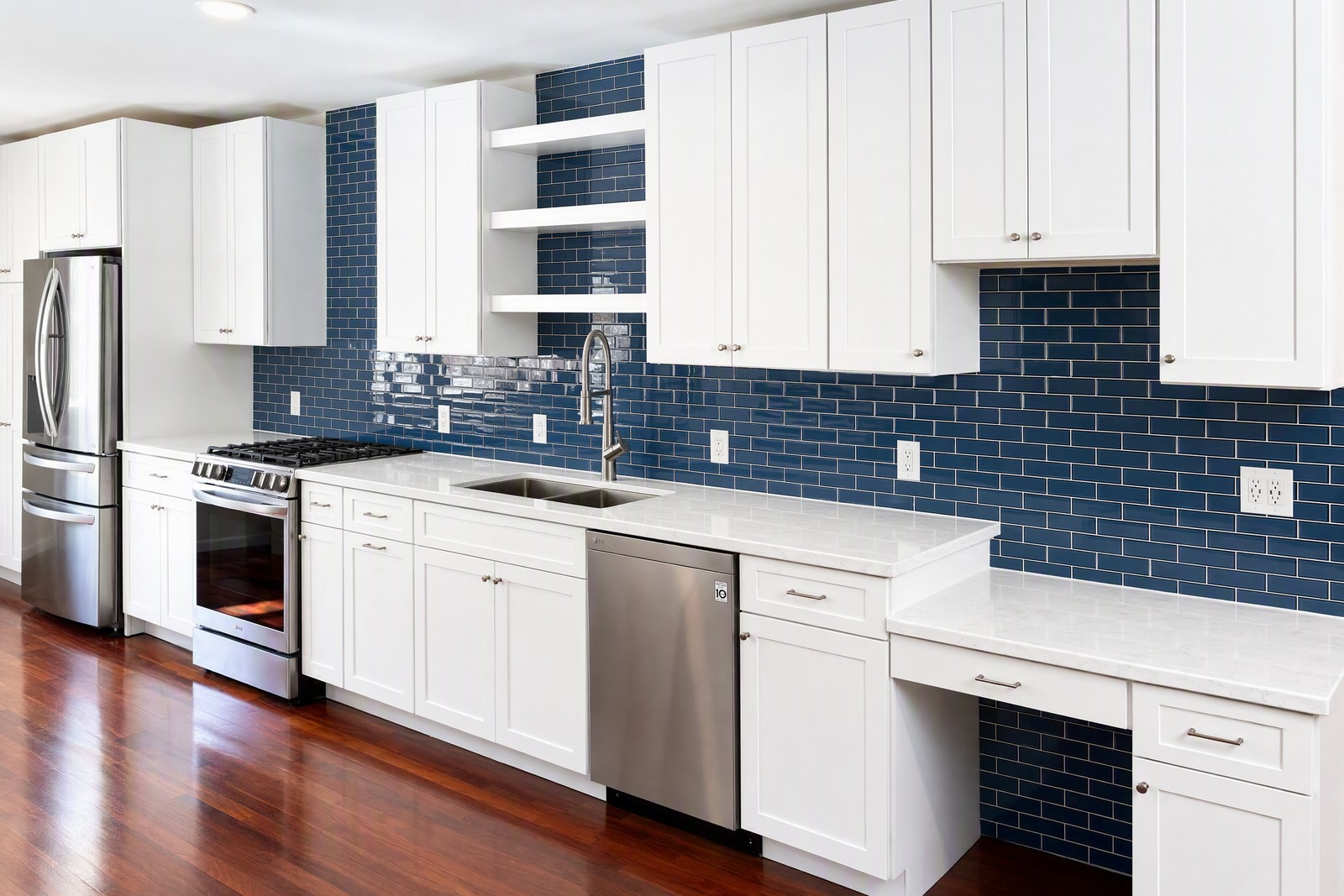
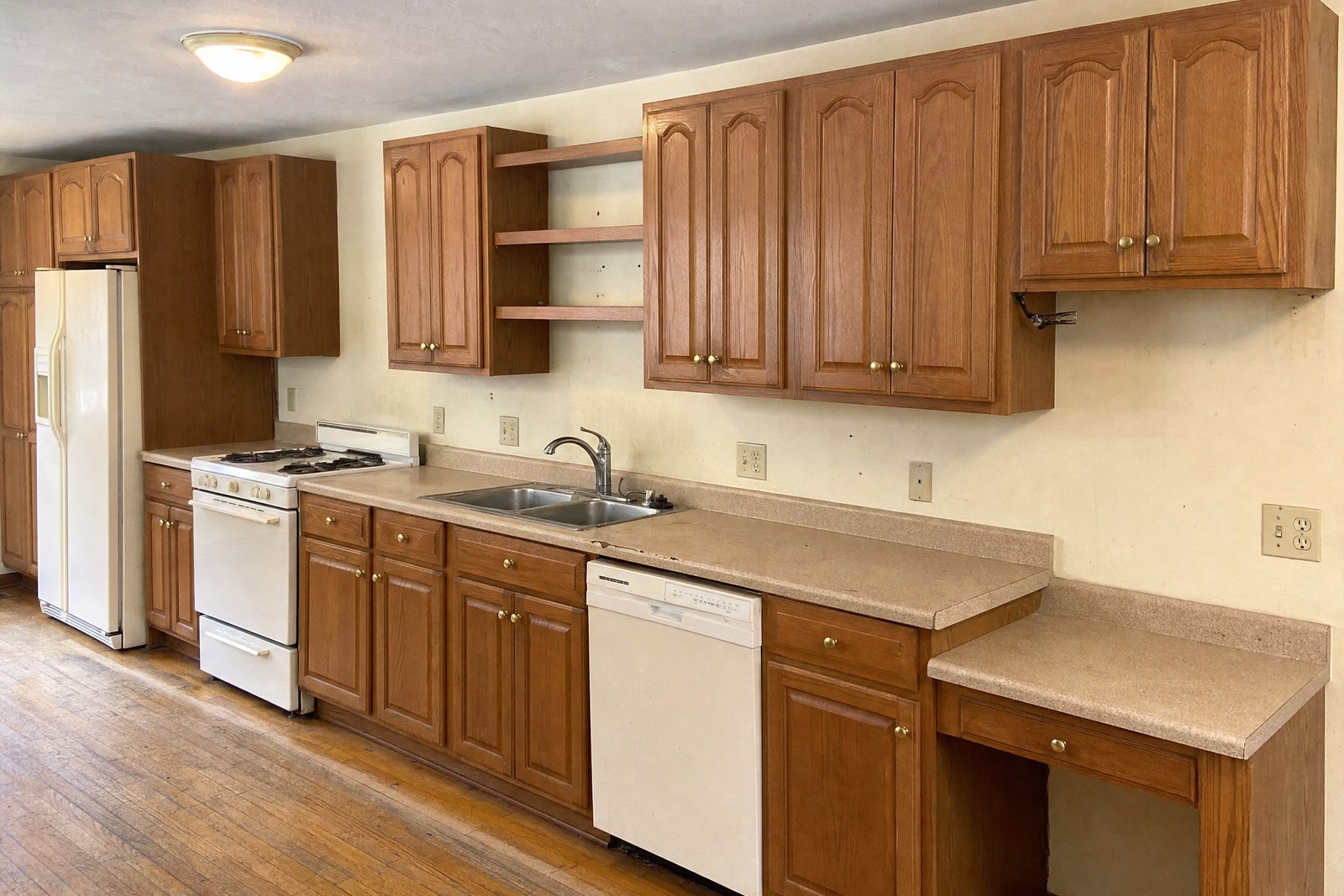
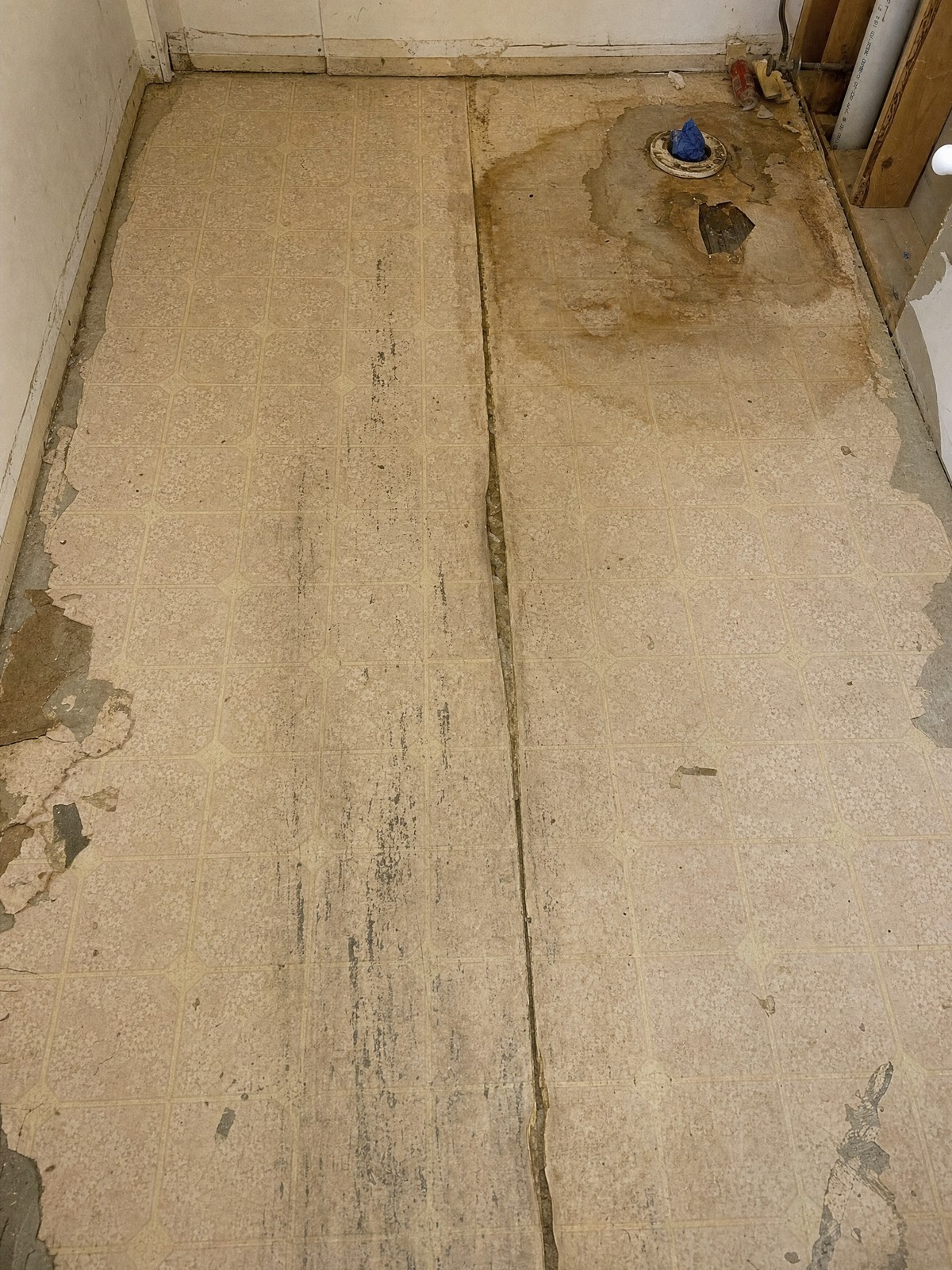
Start learning ↓Ninety percent of a floor's lifespan is decided in the part nobody photographs. Drag the handle on each pair below and you'll start seeing what a professional sees the moment they walk into a room — the flatness, the joints, and the prep underneath that makes or breaks both.
 BeforeAfter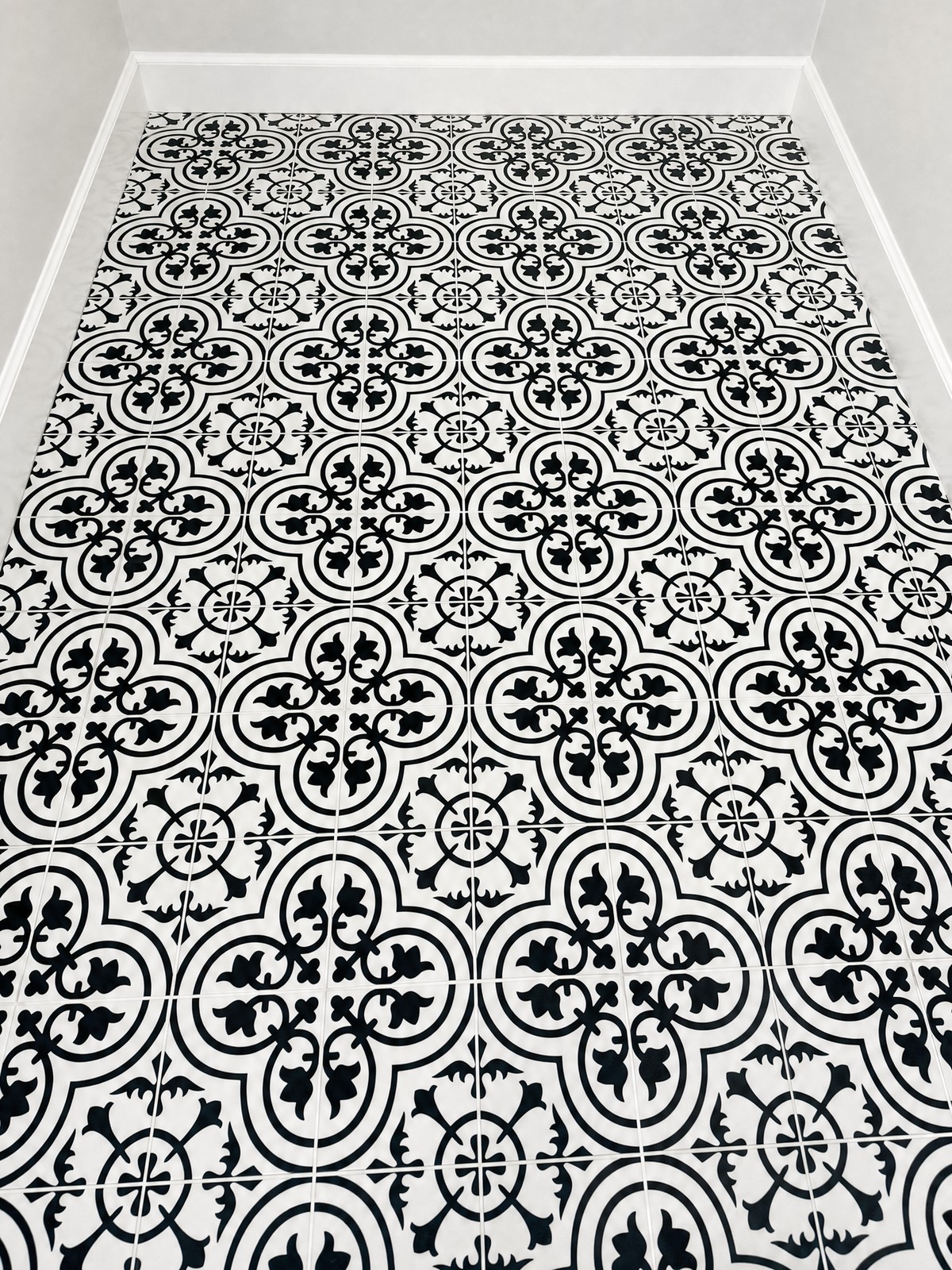
 BeforeAfter
The most expensive flooring failures don't start with the tile or the plank. They start underneath — in a subfloor that was never made flat, dry, or solid. Here's what a professional checks before a single box is opened.
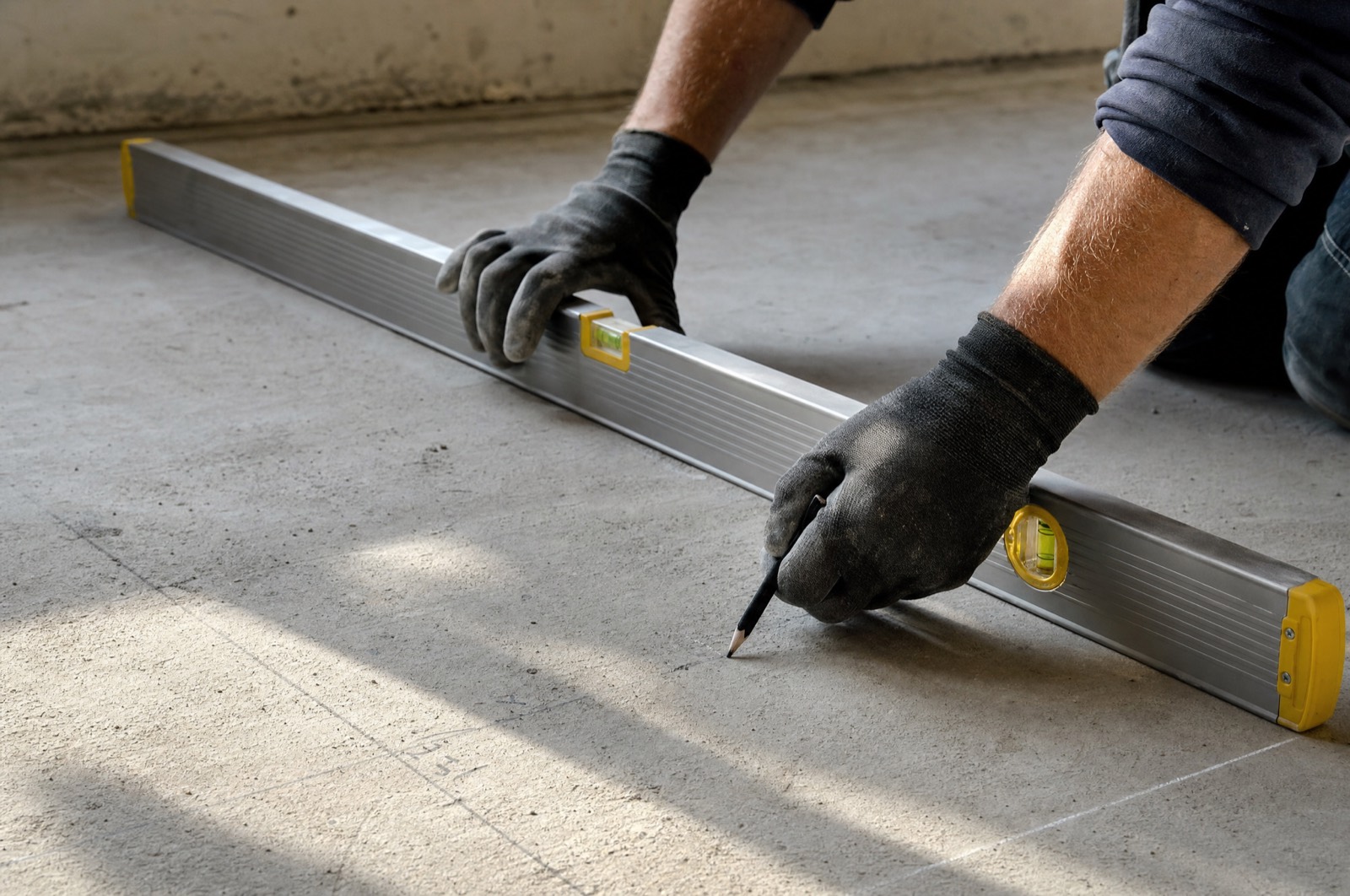
Flatness. Industry standards call for a subfloor flat to roughly 1/8" over 10 feet for large-format tile. A floor that fails this test will "lippage" — one tile edge sitting higher than its neighbor. You feel it with a bare foot and catch it with a vacuum. The fix after the fact is a full tear-out. The fix beforehand is self-leveling compound and an hour of checking with a straightedge.
Dryness. Concrete and wood both hold moisture. Lay a floor over a slab that's still curing or a crawlspace that's damp, and the adhesive can fail, laminate can cup, and mold can grow where you'll never see it. A pro tests moisture — they don't guess.
Solidity. A springy or squeaky subfloor telegraphs straight through to the finished surface. Tile cracks; grout lines open. Fastening down loose sheathing and repairing joists is cheap insurance against a floor that fails in year two.
Straight answers to the questions every homeowner should ask — written for Minnesota homes, not a national brochure.
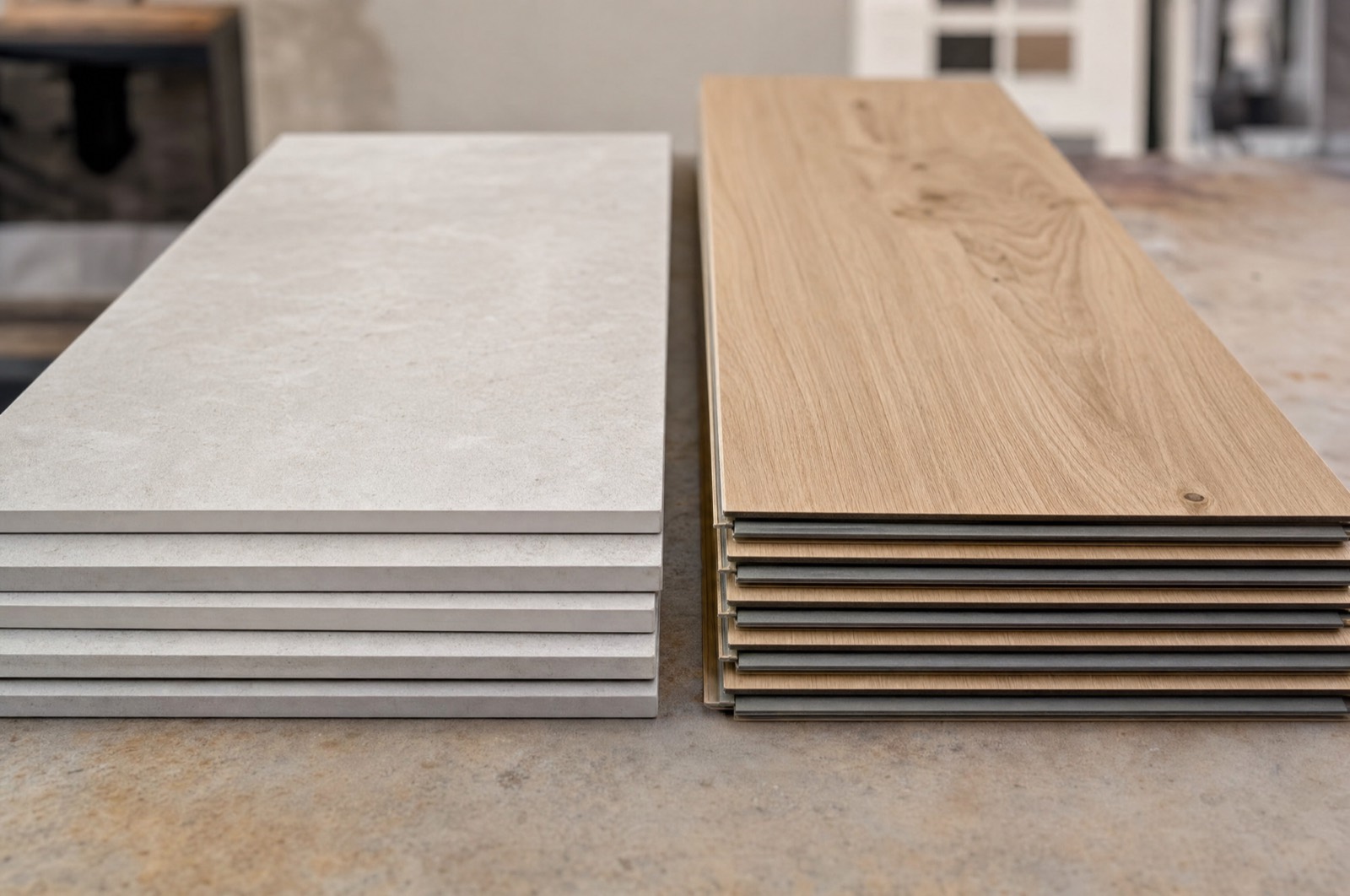 Tile vs. Laminate
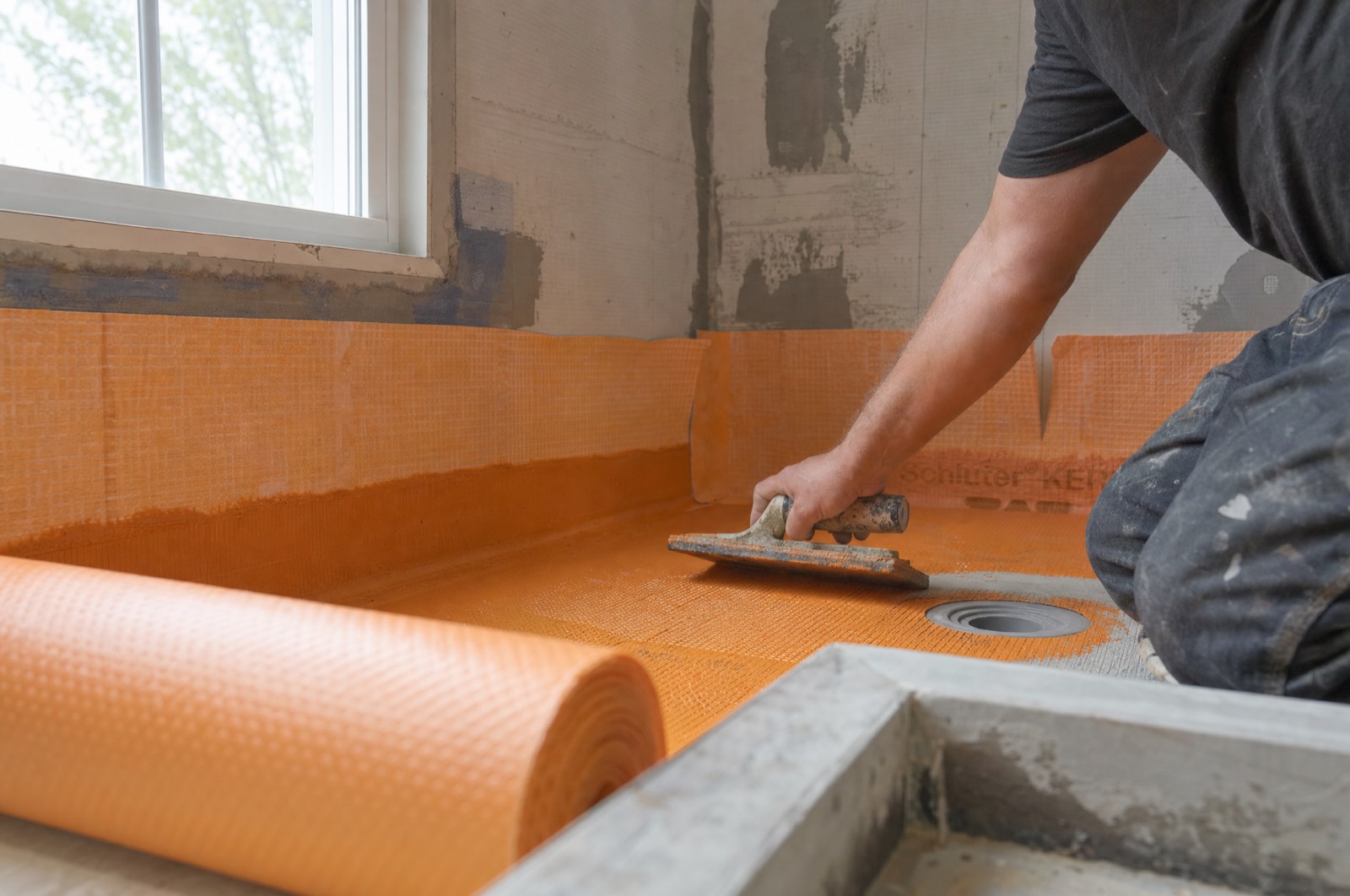 Why Showers Fail
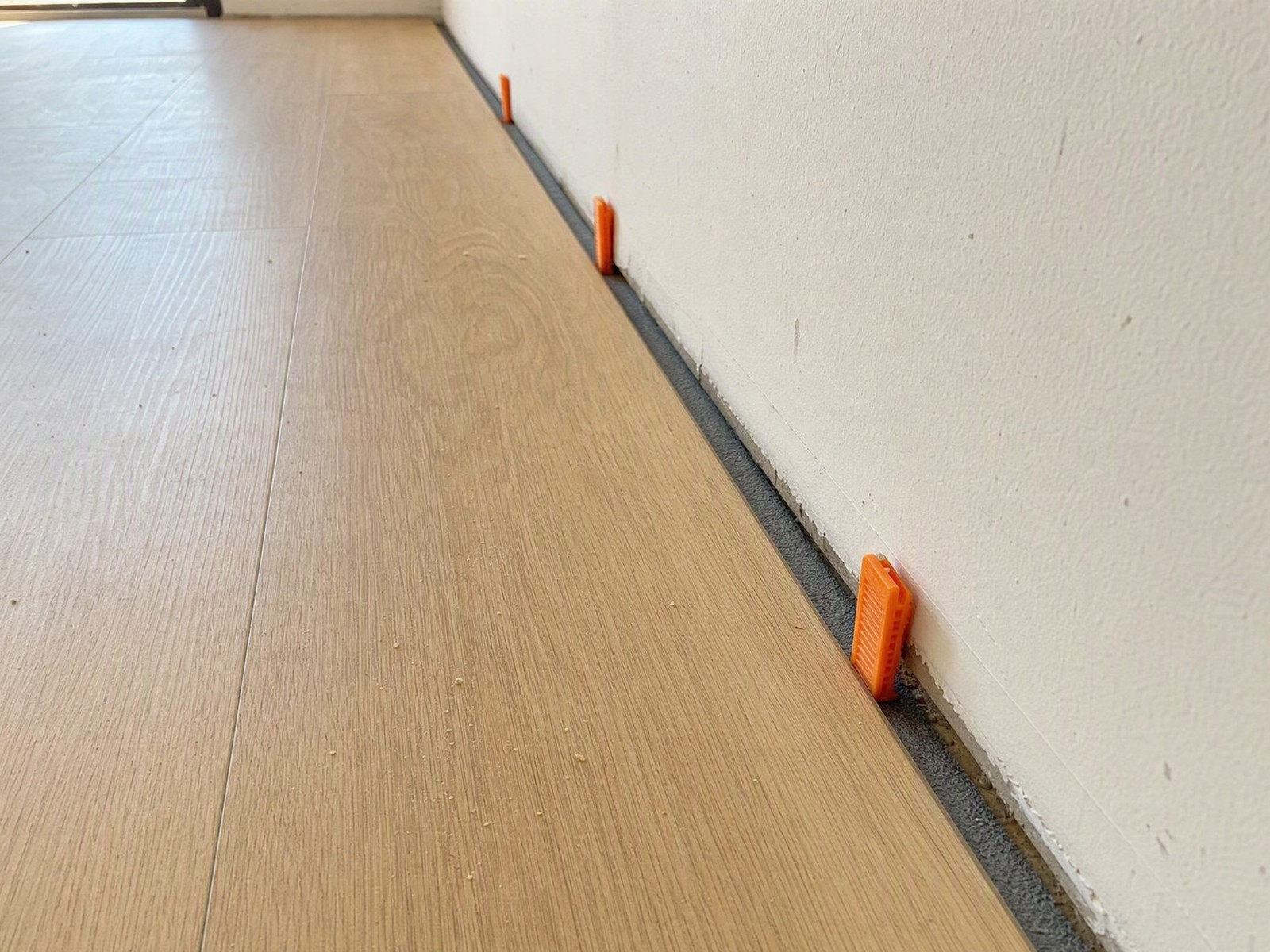 Expansion Gaps & Acclimation
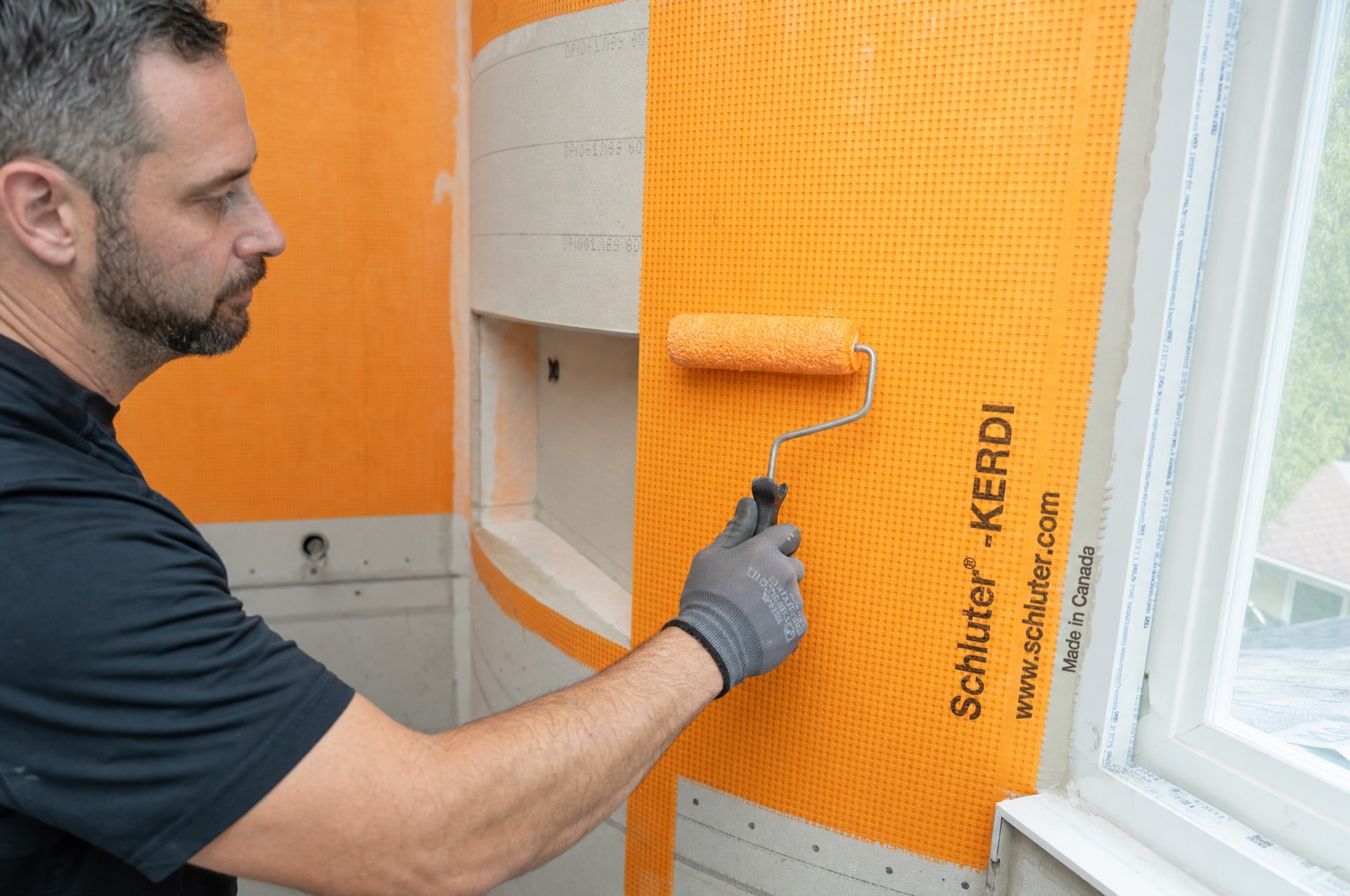 What Goes Under the Tile
 Minnesota Winters & Your Floor
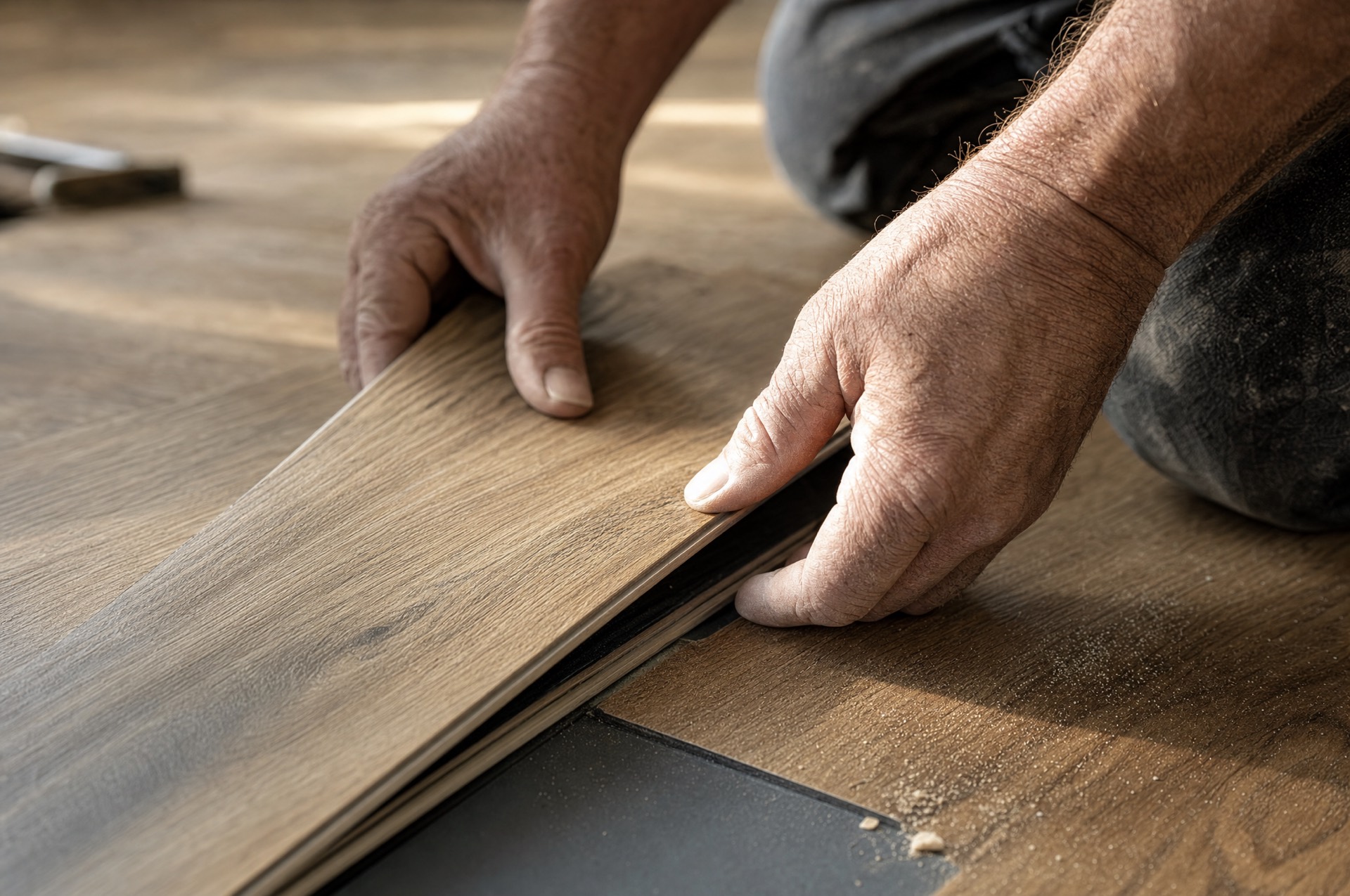 How a Floor Gets Its Feel
Walk any finished job — yours or a contractor's reference — and run these four tests. They take five minutes and tell you almost everything.
It's tempting to treat flooring as a surface — a color you pick and a price you compare. But a floor is a system, and when the wrong person installs it, the damage rarely stays on the surface.
A shower tiled without a proper waterproofing membrane doesn't leak on day one. It leaks slowly, behind the wall, into the subfloor and the framing — for months — until a soft spot or a stain downstairs finally shows the bill: rotted joists, mold remediation, and a full rebuild that costs many times the original tile job.
Laminate laid without an expansion gap buckles when Minnesota's summer humidity swells the boards. Tile set over a bouncing subfloor cracks along the joists. A transition left proud at a doorway becomes a trip hazard for the people you love most.
This is why the specialist matters more than the material. The best porcelain in the world fails over bad prep. Modest laminate lasts twenty years over a floor that was leveled, tested, and installed with patience. You are not really hiring a product — you're hiring judgment, and the discipline to do the invisible work right.
The cheapest quote is almost never the cheapest floor. It's the one most likely to be paid for twice.
When you're ready for a floor that passes every one of these tests, one free visit is where it starts.